
Home security emergencies can happen when you least expect them. Whether you're locked out at midnight, dealing with a broken key, or facing a security breach, knowing how to handle these situations safely is crucial for every Dayton homeowner. Understanding emergency locksmith safety protocols not only protects your property but also ensures you're prepared when time-sensitive lock issues arise.
How to Identify a Legitimate Emergency Locksmith
In a lockout emergency, desperation can lead to poor decisions. Unfortunately, locksmith scams are common, with fraudulent companies taking advantage of vulnerable homeowners. Before you need emergency services, it's vital to know how to identify trustworthy professionals.
Red flags to watch for:
- Locksmiths who arrive in unmarked vehicles without proper branding
- Technicians who cannot provide valid licensing or identification
- Companies that quote extremely low prices over the phone but inflate costs upon arrival
- Services that insist on drilling or replacing locks when simpler solutions exist
- Businesses with only toll-free numbers and no local physical address
Preventing Common Lockout Scenarios
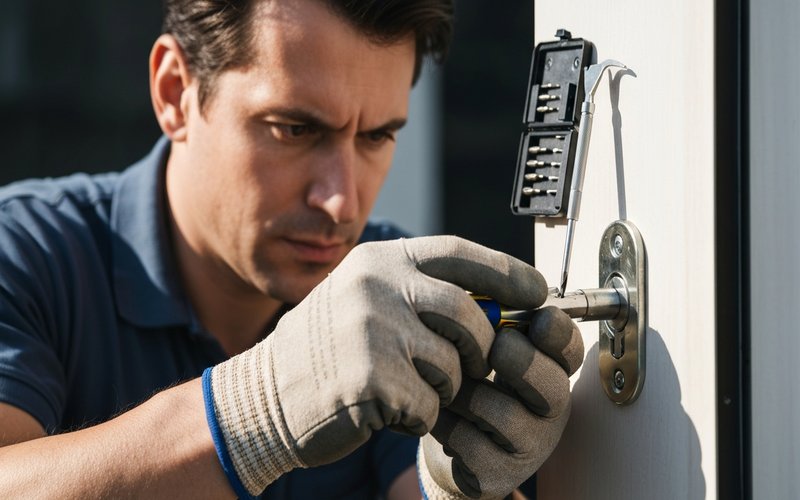
While emergency locksmiths are available 24/7, prevention is always your best strategy. Most lockouts are entirely preventable with simple precautions and good habits.
Essential prevention strategies:
- Create a spare key system by leaving copies with trusted neighbors or family members
- Install a keyless entry system or smart lock with backup access codes
- Develop a routine to check for your keys before closing doors
- Keep spare keys in a secure location (never under doormats or flower pots)
- Consider installing a key hook near your main entrance as a designated spot
- Replace old, worn locks before they fail completely
What to Do During a Lockout Emergency
When a lockout occurs, staying calm and following proper procedures ensures your safety and prevents property damage.
Step-by-step emergency response:
1. Assess the situation - Determine if you have any alternative entry points or spare keys available 2. Ensure your safety - If it's late at night or you're in an unsafe area, wait in your car or a well-lit public space 3. Contact a reputable locksmith - Call a local, established company rather than the first search result 4. Verify credentials - Ask for identification and licensing information when the technician arrives 5. Get written estimates - Request a detailed quote before any work begins 6. Stay present - Never leave the locksmith unsupervised during the service
If you're locked out of your Dayton home, don't attempt to break windows or force doors open. These actions often cause more expensive damage than professional locksmith services would cost.
Home Security Assessment Best Practices
Emergency situations often reveal weaknesses in your home security system. Regular security assessments help identify vulnerabilities before they become problems.
Key areas to evaluate:
- Entry point quality - Inspect all doors and windows for sturdy locks and frames
- Lock condition - Check for rust, sticking, or difficulty turning keys
- Key control - Know who has copies of your house keys
- Outdoor lighting - Ensure adequate illumination of entry points
- Deadbolt installation - Verify all exterior doors have high-quality deadbolts
Understanding Different Lock Types and Their Security Levels
Not all locks provide equal security. Understanding the differences helps you make informed decisions about your home protection.
Common residential lock types:
- Standard key-in-knob locks - Basic security, should never be used alone on exterior doors
- Deadbolts - Essential for exterior doors, available in single and double-cylinder varieties
- Smart locks - Electronic options with remote access and activity monitoring
- High-security locks - Pick-resistant cylinders with restricted key duplication
- Mortise locks - Heavy-duty options common in older homes
When to Rekey Versus Replace Locks
After certain events, you'll need to decide between rekeying existing locks or complete replacement. Understanding the difference saves money while maintaining security.
Rekeying is appropriate when:
- You've moved into a previously owned home
- A roommate or tenant moves out
- You've lost track of who has key copies
- Your locks are in good condition but security is compromised
- Locks are damaged, rusted, or malfunctioning
- You're upgrading to a higher security level
- Current locks don't meet your security needs
- Hardware is outdated or broken
Emergency Preparedness for Homeowners
Being prepared for lock emergencies reduces stress and potential security risks when problems arise.
Create an emergency plan:
- Save contact information for a trusted local locksmith in your phone
- Document your lock types and any special security features
- Keep records of when locks were last changed or rekeyed
- Maintain a list of who has keys to your property
- Consider investing in a lockbox with emergency spare keys
Protecting Your Home After a Break-In
If your home experiences a security breach, immediate action is critical to restore safety and peace of mind.
Post-break-in security steps:
1. File a police report documenting the incident 2. Contact a locksmith immediately to rekey or replace all exterior locks 3. Assess and repair any damaged doors, windows, or frames 4. Consider upgrading to high-security locks 5. Install or improve security systems and cameras 6. Review and enhance outdoor lighting
Don't delay securing your home after a break-in. Burglars often return to previously targeted properties.
Conclusion
Emergency locksmith situations are stressful, but preparation and knowledge significantly reduce their impact. By implementing preventive measures, knowing how to identify legitimate locksmiths, and understanding your home security options, you'll be ready to handle any lock-related emergency safely and efficiently.
For reliable, professional emergency locksmith services in Dayton, Ohio, trust Dayton Locksmith Corp at 5919 N Dixie Dr. Our experienced team is available 24/7 to handle lockouts, security upgrades, and all your residential locksmith needs. Don't wait until an emergency strikes—contact us today to schedule a security assessment and ensure your home is properly protected.